Caring for Antique Wooden Furniture: A Guide for Stratford and Perth County
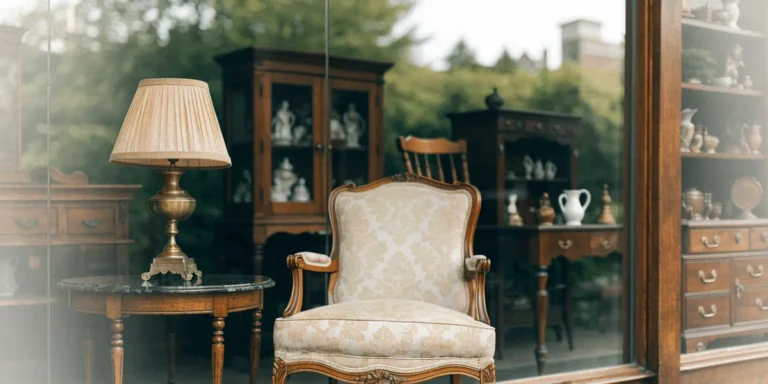
We still remember the day we spotted it — a solid black walnut sideboard, tucked between a box of mismatched teacups and a stack of vinyl records at a Stratford flea market. The seller guessed it had come out of a farmhouse near Sebringville, and the wear marks on the drawer fronts told a story no price tag could. We loaded it into the truck, got it home, and then asked ourselves the question every antique lover eventually faces: how do we care for this thing without ruining it? If you’ve ever brought home a piece with real history behind it, this guide is for you.
Why Antique Wooden Furniture Deserves Special Care
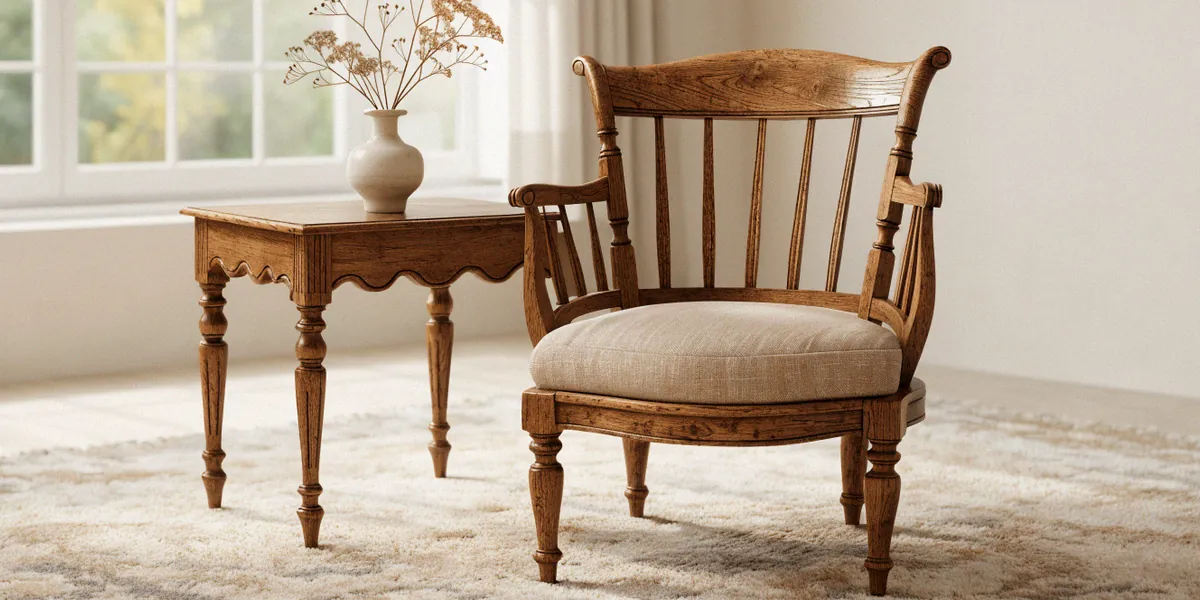
Antique wood isn’t just older wood — it’s different wood, cut from slower-grown trees and finished with techniques that modern factories abandoned decades ago. Many pieces from Perth County were built from local black walnut, butternut, or white pine, species that were plentiful when the first farmhouses went up around Stratford. That dense, old-growth timber often has a depth of grain you simply can’t buy new. The surface layer — the patina — took a century or more of light, handling, and oxidation to develop, and once it’s stripped or over-polished, it never comes back.
The Difference Between Antique and Vintage Wood
Generally, antique means 100 years or older; vintage usually refers to pieces from the 1920s through the 1980s. The distinction matters because construction changes dramatically. True antiques often use hide glue, hand-cut dovetails, and solid wood throughout, while vintage pieces may include plywood, veneers, and synthetic finishes. A mid-century teak table from the 1960s can handle a slightly damp cloth; a 1870s pine dresser from a Perth County farmhouse needs a gentler hand. When in doubt, treat it like an antique.
How Stratford’s Climate Affects Wood Furniture
Stratford, Ontario, experiences humidity swings that can crack wood — sometimes within a single season. Our summers push indoor humidity well past 60%, then forced-air heating drops it into the teens by February. Wood expands and contracts with every swing, which is why you’ll see hairline splits appear on tabletops in January that weren’t there in September. Understanding this cycle is the foundation of everything else in this guide.
Everyday Cleaning Without Damaging Patina
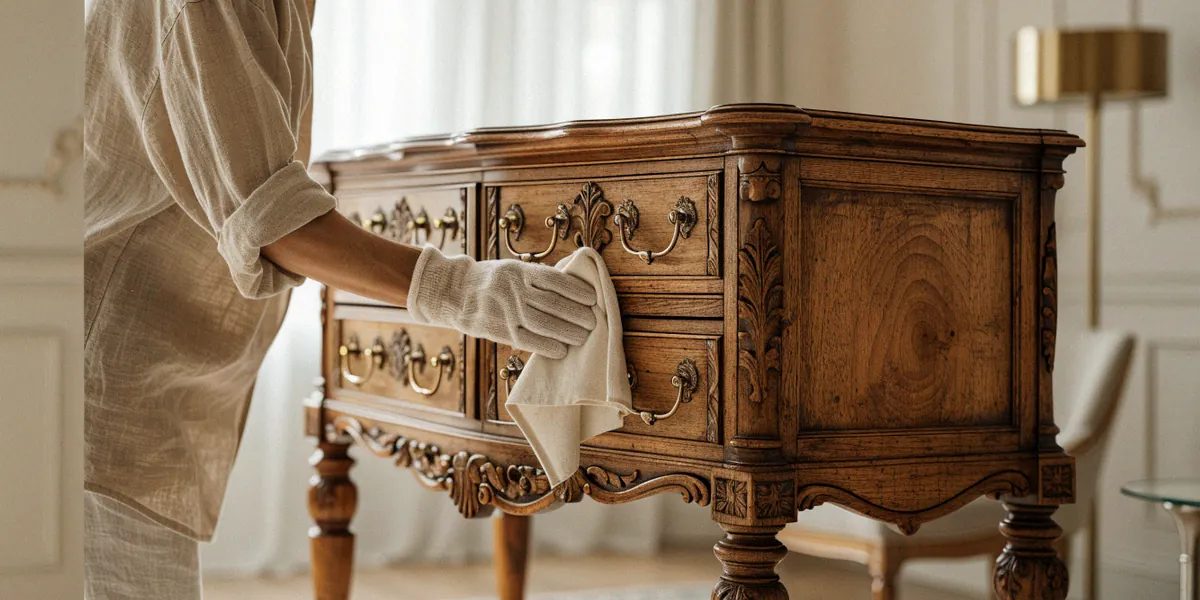
Most antique furniture doesn’t need much cleaning — it needs consistent, gentle attention. We keep a spray bottle of diluted Murphy Oil Soap on hand; it’s a trusted gentle cleaner for antique wood and has been for generations. Mix a few drops in warm water, wring a soft cloth until it’s barely damp, and wipe with the grain. Dry immediately with a second cloth. That’s it. Skip the all-purpose sprays under the sink.
We also strongly advise against silicone-based polishes. They feel slick and shiny at first, but silicone builds up in the grain, attracts dust, and makes future refinishing a nightmare for restorers. If you’re shopping for supplies, Lee Valley Tools in Stratford offers furniture care supplies — cloths, waxes, and applicators — that are safe for older finishes.
Dusting and Vacuuming Techniques
Dust is abrasive. Left alone, it grinds into the finish every time someone brushes past. Use a soft, clean microfibre cloth or a genuine feather duster weekly, and always dust before you polish. For carved details and turned legs, a soft-bristle brush works better than a cloth. A vacuum with a brush attachment on the lowest setting can lift dust from upholstered seats and crevices — just keep the nozzle from touching bare wood.
Removing Sticky Residue and Water Rings
For sticky residue from tape or old labels, try a little mineral spirits on a hidden spot first, then work gently. Water rings are trickier. A white ring often means moisture trapped in the finish, not the wood itself. Try a dry cloth and a hair dryer on low, held several inches away, moving constantly. For stubborn rings, a paste of baking soda and a few drops of water, applied briefly and wiped off, sometimes works — but test on the underside first. If the ring is dark or black, the moisture has reached the wood, and it’s time to call a pro.
Polishing and Conditioning: What Works and What Doesn’t
Here’s the short version: beeswax and carnauba wax are preferred over silicone-based polishes, and they always will be. A thin coat of quality paste wax feeds the finish, adds a soft sheen, and provides a sacrificial layer against dust and spills. We avoid most liquid “furniture oils” sold in grocery stores — many contain petroleum distillates that darken wood unevenly and can soften old shellac or varnish over time. Linseed oil has its place, but it’s easy to overdo and hard to reverse.
Perth County has local woodworkers and restorers who specialize in antiques, and several of them sell natural furniture care products at farmers’ markets and small shops around Stratford. Buying from them means you get a product matched to your piece, plus advice from someone who has actually worked on furniture like yours.
Choosing Between Wax, Oil, and Cream Polishes
- Paste wax: Best for finished antiques with intact varnish or shellac. Apply thin, buff thoroughly.
- Cream polish: Convenient for quick touch-ups, but check the label — many contain silicone.
- Oil (tung, linseed, Danish): Suited to oiled or unfinished wood, not to old film finishes.
- Beeswax blends: A gentle middle ground, especially for pine and walnut with worn patina.
How Often to Polish Antique Furniture
Less than you think. Two to four times a year is plenty for most pieces. Over-polishing creates a gummy buildup that traps dust and dulls the grain. If a piece looks dry, wax it. If it looks greasy or streaky, you’ve gone too far — buff with a clean cloth and wait a few months before the next coat.
Protecting Furniture from Sunlight, Heat, and Humidity
Direct sun is the quiet killer of antique finishes. UV light bleaches wood, dries out veneer, and fades the colour of inlay. If your piece sits near a south- or west-facing window, UV-filtering window film is a cheap, invisible fix. Beyond light, aim to maintain 40–50% relative humidity indoors. A simple hygrometer from a hardware store will tell you where you stand, and a small humidifier in winter plus a dehumidifier in summer keeps things steady.
Dealing with Winter Dryness and Summer Dampness
Canadian seasons are hard on wood. In winter, forced-air heat pulls moisture out of the air and out of your furniture — that’s when cracks open. Run a humidifier and keep pieces away from heat vents and fireplaces. In summer, dampness swells drawers and doors until they stick. A dehumidifier in the basement or main floor helps, and if a drawer jams, wait for drier weather rather than forcing it.
Using Felt Pads and Coasters to Prevent Scratches
Felt pads under lamps, vases, and clocks prevent a hundred small scratches over a decade. Coasters under drinks, always. And when moving furniture, lift — never drag — even across hardwood. A $5 pack of felt pads is the best insurance you can buy for a $500 antique.
Repairs and Restorations: When to Call a Pro
Some fixes are well within reach. Tightening a wobbly chair leg, regluing a loose knob, or filling a shallow scratch with a wax stick are all reasonable DIY projects. But structural damage — split boards, broken joinery, lifting veneer across a large surface, or anything involving old hide glue — deserves a professional. Amateur repairs often cost more to undo than the original damage would have cost to fix.
DIY Fixes for Loose Veneer and Minor Dents
For a small bubble in veneer, a warm iron over a damp cloth can reactivate old glue — press gently and check often. For minor dents in solid wood, place a damp cloth over the spot and apply a warm iron; steam can swell the fibres back up. Never sand an antique to “fix” a dent. You’ll cut through the patina and lose value instantly.
Finding a Trustworthy Restorer in Perth County
Ask at local antique shops in Stratford — the owners know who does honest conservation work versus who slaps on polyurethane and calls it restored. Look for someone who talks about reversibility, uses traditional materials, and shows you before-and-after photos of similar pieces. Perth County has skilled woodworkers who understand everything from Victorian walnut to mid-century teak.
Storing and Displaying Antiques in Small Spaces
Stratford apartments and older homes often mean tight quarters and damp basements. Never store antique wood directly on a concrete floor — moisture wicks upward and warps legs and bases. Elevate pieces on wooden pallets or blocks, and if you can, keep them in a climate-controlled room. For pieces you’re not using, a breathable cotton sheet beats plastic, which traps moisture and encourages mildew.
Long-Term Storage Dos and Don’ts
- Do store in a dry, stable space with consistent humidity.
- Do cover with cotton sheets or muslin, not plastic.
- Don’t stack heavy items on tabletops.
- Don’t store in unheated garages or damp basements for long periods.
- Don’t wrap in bubble wrap directly against the finish — it can leave marks.
Creative Display Ideas for Local Makers’ Pieces
Small spaces reward creativity. A narrow hall can hold a slim console; a bedroom corner can showcase a small chest as a nightstand. We love pairing an antique piece with work from local makers — a hand-thrown vase on a walnut sideboard, or a woven textile draped over a pine bench. Wander the antique shops around Stratford for inspiration; seeing how dealers arrange pieces in tight rooms is often better than any design magazine.
Consistent, gentle care is what preserves both the financial and sentimental value of antique wooden furniture. A little dusting, an occasional wax, sensible placement away from sun and heat, and the willingness to call a pro when something’s beyond a simple fix — that’s the whole formula. And when you need supplies or advice, support the local Stratford and Perth County shops and makers who know these pieces best. They’re the reason our region’s furniture heritage stays alive.
FAQ
Can I use Murphy Oil Soap on antique furniture?
Yes — diluted Murphy Oil Soap is one of the safest gentle cleaners for antique wood. Mix a few drops in warm water, wring your cloth until barely damp, wipe with the grain, and dry immediately.
How often should I polish antique wooden furniture?
Two to four times a year is usually enough. Over-polishing causes buildup that dulls the grain and attracts dust. If the surface looks dry, wax it lightly; if it looks greasy, you’ve applied too much.
Why is silicone polish bad for antiques?
Silicone builds up in the wood grain, attracts dust, and makes future refinishing extremely difficult for restorers. Beeswax and carnauba wax are preferred over silicone-based polishes because they’re reversible and safe for old finishes.
How do I stop Stratford’s humidity swings from cracking my furniture?
Maintain indoor relative humidity around 40–50% year-round. Use a humidifier in winter, a dehumidifier in summer, and keep pieces away from heat vents, fireplaces, and direct sunlight.
Where can I find furniture care supplies in Stratford?
Lee Valley Tools in Stratford offers furniture care supplies, and several Perth County woodworkers and antique shops sell natural waxes and conditioners. Local dealers are also a great source for restorer recommendations.