How to Spot Quality Vintage Glassware: A Guide for Stratford Shoppers
There’s a particular thrill that comes with spotting a dusty, overlooked piece of glass on a back shelf in a Stratford antique shop. Maybe it’s a pale green Depression glass bowl or a heavy crystal vase catching the afternoon light. We’ve all felt that rush — the one that whispers, “This could be worth something.” But here’s the truth we’ve learned after years of browsing Perth County’s markets and shops: not everything that glitters is valuable. Some pieces are mass-produced reproductions, and others are simply too damaged to hold their worth. The good news? With a little knowledge, you can separate the treasures from the trinkets.
Why Vintage Glassware Matters in Stratford and Perth County
Stratford and the surrounding Perth County area have a deep, well-earned reputation for preserving the past. Our city’s heritage buildings, theatre culture, and farming roots all contribute to a collecting community that genuinely cares about craftsmanship. Vintage glassware fits naturally into that world. It’s functional, decorative, and often tied to the kitchens and dining rooms of earlier generations.
The Local Antique Scene: Where to Start
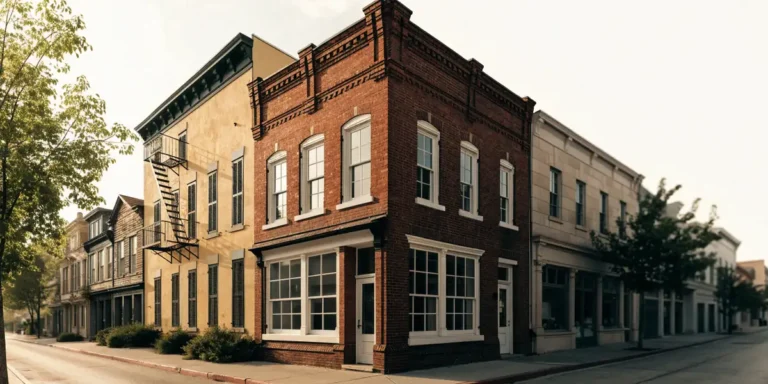
If you’re new to collecting, the Stratford Antique Warehouse is one of the best places to begin. It’s a key local spot for vintage glassware, with vendors offering everything from Depression glass to mid-century pieces. Beyond the warehouse, smaller gift shops and weekend markets throughout Stratford carry curated selections, and local makers often draw inspiration from vintage designs in their own work. That blend of old and new makes shopping here feel genuinely connected to the community.
How Perth County’s History Shapes Collecting
Perth County’s agricultural and industrial history means households here accumulated practical, sturdy glassware for decades. Farm kitchens needed durable bowls and storage jars, and that’s exactly what brands like Pyrex and Fire-King provided. As a result, these pieces turn up frequently in local shops and estate sales. Understanding that history helps you appreciate why certain items are common here and why others — imported art glass, for instance — are rarer finds.
Key Characteristics of Quality Vintage Glassware
Before you fall in love with a piece, take a moment to assess it physically. Quality glassware tends to share a few consistent traits: clarity, weight, and an absence of flaws. Learning to check these quickly will save you from expensive mistakes.
Clarity and Color: What to Look For
Hold the piece up to natural light. Good vintage glass should be clear and bright, with even color distribution. Cloudiness, grey streaks, or patchy color usually indicate damage or a lower-quality production run. Colored glass — like the pink and green hues popular in Depression glass — should look rich and consistent, not washed out.
Weight and Balance: The Feel of Quality
Pick the piece up. Quality glass has a satisfying heft and feels balanced in your hand. Thin, feather-light glass is often modern or mass-produced. Heavier pressed glass, like the sturdy pieces Dominion Glass was known for, tends to signal older, more durable manufacturing.
Common Flaws to Avoid: Chips, Cracks, and Cloudiness
Run your finger carefully along rims, edges, and bases. Watch for:
- Chips or nicks, especially on rims and feet
- Hairline cracks that may be nearly invisible
- Cloudiness or “sick glass” caused by improper washing
- Scratches deep enough to catch a fingernail
- Repairs or glued sections that reduce value significantly
Identifying Valuable Brands and Marks
Brand recognition matters in this hobby. Some names carry real weight, and knowing them helps you spot value quickly.
Canadian Glassmakers: Dominion, Altaglass, and More
Dominion Glass was a major Canadian glassmaker, known for sturdy pressed glass that shows up often in Ontario shops. Altaglass is a Canadian maker from Alberta, known for mid-century art glass with distinctive swirls and bold colors. Both are collectible, and both are worth watching for.
Foreign Imports: Murano, Waterford, and Beyond
Murano glass from Italy is highly collectible and often imitated, so caution is essential. Genuine Murano pieces typically show fine craftsmanship, complex techniques like millefiori, and sometimes an original label or etched mark. Waterford crystal from Ireland is another name to know, prized for its deep cuts and clarity.
Reading Marks and Signatures
Marks can be worn or faint, but even a partial mark can indicate authenticity. Look on the base, near the rim, or along the side. Use a magnifying glass and good lighting. Remember that the absence of a mark doesn’t automatically mean a piece is fake — many older items were never marked at all.
Styles and Eras: What’s Hot in Vintage Glassware
Different eras produced very different looks, and knowing the styles helps you date a piece and judge its appeal.
Depression Glass: Colors and Patterns
Produced mainly in the 1920s and 1930s, Depression glass came in pastel pinks, greens, and ambers, often with molded patterns like cubes, diamonds, or florals. It was originally inexpensive, but today complete sets and rare patterns command strong prices.
Mid-Century Modern: Clean Lines and Bold Colors
Mid-century pieces favor geometric shapes, clean lines, and saturated colors. Altaglass and similar makers fit this category perfectly, and local Stratford shops often carry these styles because they appeal to modern decorators.
Cut Glass and Crystal: Elegance and Complexity
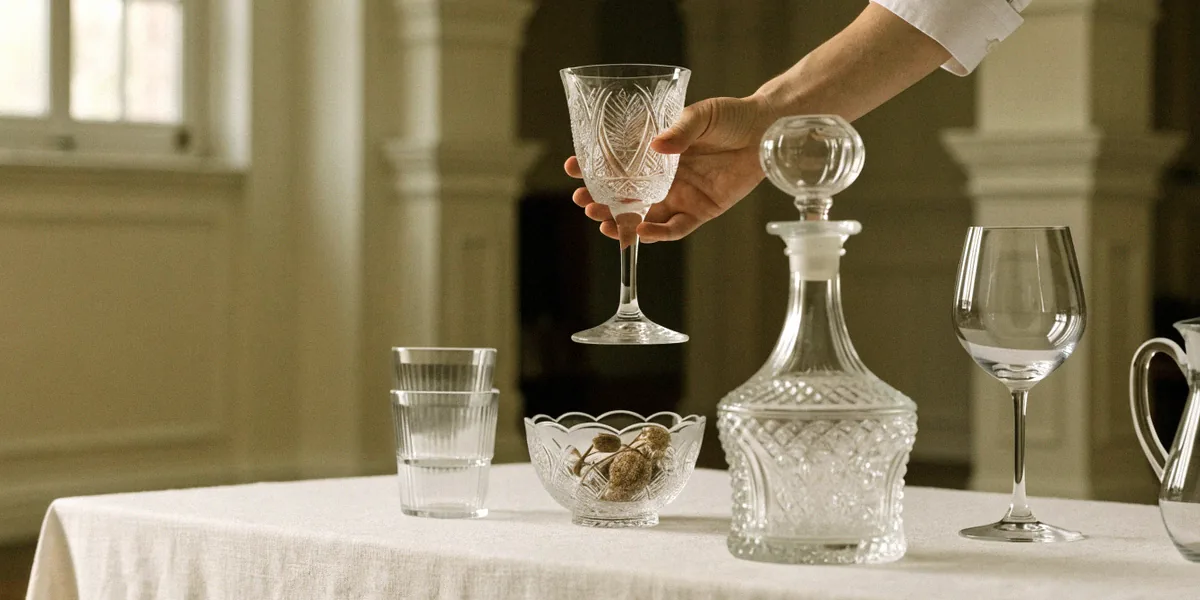
Cut glass and crystal feature deep, intricate patterns that sparkle under light. These pieces require careful inspection, as chips on cut edges are common and reduce value.
Practical Tips for Shopping Vintage Glassware in Stratford
Local shopping is part of the fun, but a few habits make the experience safer and smarter.
Handling and Inspecting: Do’s and Don’ts
Always ask before handling. Hold pieces by the base, never the rim or handle. Set them down gently on a soft surface. Never stack glassware while inspecting.
Questions to Ask Sellers
Good sellers appreciate informed buyers. Ask about provenance, age, and whether the piece has been repaired. At spots like Watson’s or local markets, staff often know the history of their inventory.
Spotting Reproductions and Fakes
Reproductions of popular patterns are common. Watch for overly uniform color, modern mold seams, and markings that look too crisp for the claimed age.
Caring for Your Vintage Glassware Collection
Proper care preserves both beauty and worth, so treat every piece gently.
Cleaning Without Damage
Hand wash in lukewarm water with mild soap. Avoid dishwashers entirely — heat and detergent can cloud glass and damage decoration.
Display and Storage Best Practices
Display away from direct sunlight and store pieces separately with padding between them. Avoid stacking whenever possible.
FAQ
Is vintage glassware from Stratford shops usually authentic?
Most reputable shops, including the Stratford Antique Warehouse, are careful about authenticity. Still, always inspect marks and ask questions.
Which brands should beginners look for?
Pyrex, Fire-King, Dominion Glass, and Altaglass are all solid starting points with recognizable value.
How can I tell if Murano glass is real?
Look for fine craftsmanship, complex techniques, and original labels. Murano glass from Italy is highly collectible and often imitated, so buy from trusted sellers.
Does a missing mark mean a piece is worthless?
Not at all. Many older pieces were never marked, and condition and style often matter more than a stamp.
We hope this guide gives you the confidence to explore Stratford’s gift shops, antique markets, and local maker stalls with a sharper eye. Every piece has a story, and quality is always worth the hunt.