Antique Hunting in Perth County: Where to Start
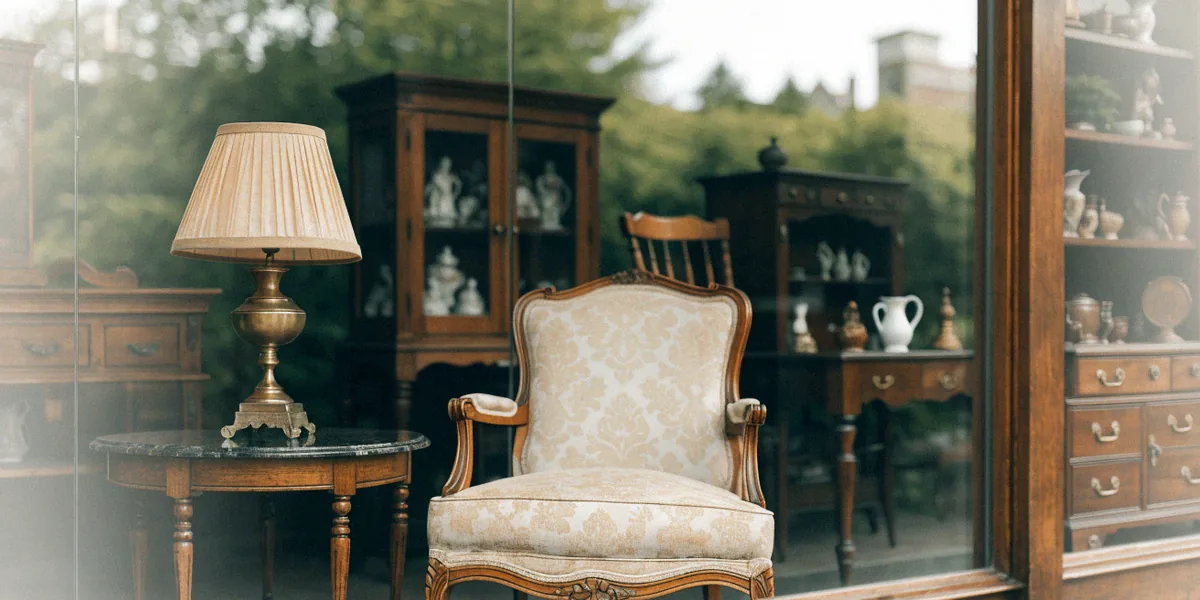
You spot it from the car — a hand-lettered auction sign nailed to a fence post outside Stratford, Ontario, pointing down a gravel road. Or maybe it’s the dusty oak dresser in a shop window on Ontario Street, priced lower than it has any right to be. Either way, you pull over. That moment of discovery is what keeps antique hunters coming back to Perth County, and if you’re new to the pursuit, we’re here to give you a practical roadmap. This guide covers where to shop, what to look for, how to time your trips, and how to negotiate without feeling like an outsider.
Why Perth County Is an Antiquer’s Paradise
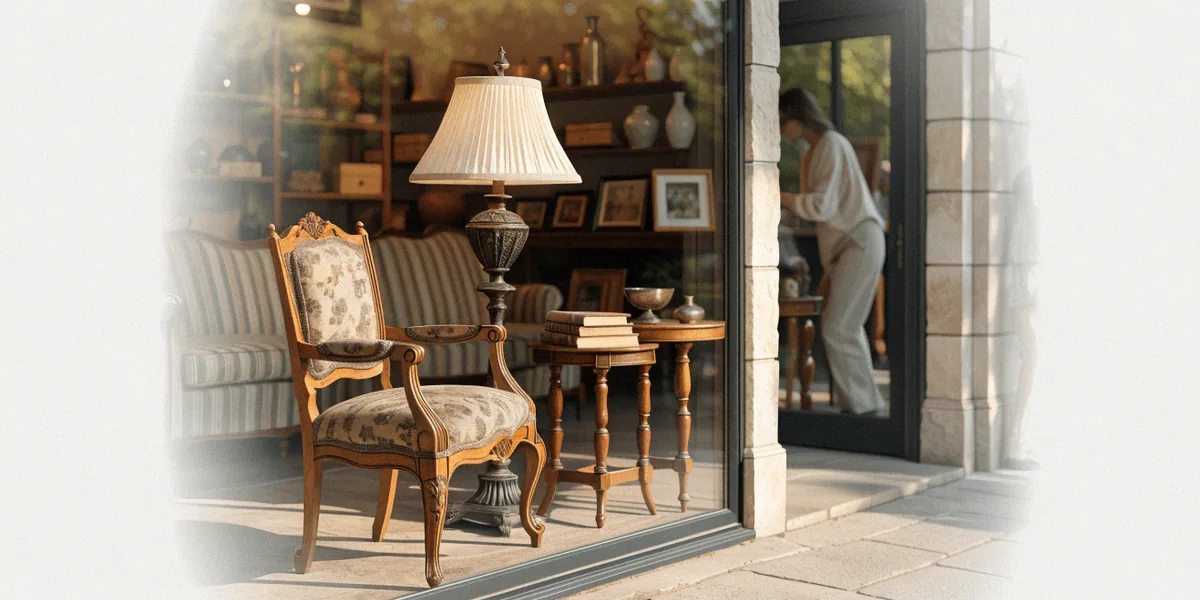
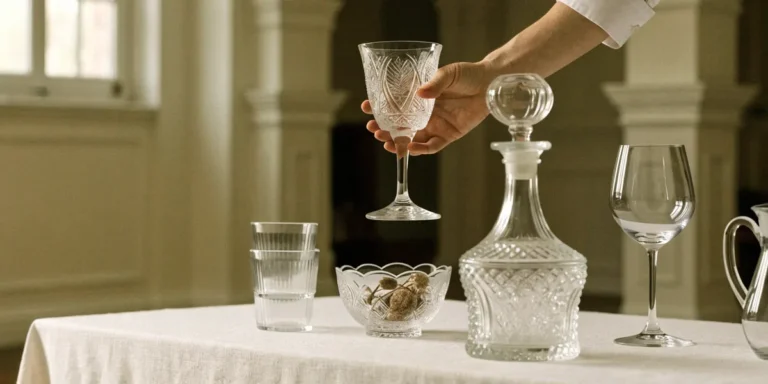
Perth County has been farmed for close to two centuries, and that long agricultural history means generations of households accumulated solid, well-made goods — pine dressers, enamelware, butter churns, pressed glass, wool blankets. When those farmhouse estates turn over, the contents flow into local auction houses, estate sales, and antique shops. That steady supply is the engine behind the region’s reputation, and it’s why a weekend of browsing here can turn up pieces you’d pay triple for in Toronto.
The Rural Estate Sale Advantage
Estate sales in the surrounding townships are where the real finds surface. Farm families rarely threw things out; barns and basements held decades of furniture, tools, and kitchenware. Watch local classifieds, community bulletin boards, and auction house listings for sales in places like Milverton, Sebringville, and Kirkton. Arrive early, bring a friend with a truck, and don’t overlook the barn — the best piece is often under a tarp.
Mennonite Craftsmanship and Heritage Pieces
Perth County sits close to established Mennonite and Amish communities, and their influence shows up in the local antique trade. Look for hand-built furniture with clean lines, dovetailed drawers, and no factory stamps — benches, harvest tables, and storage chests made by skilled carpenters who worked without power tools. Handmade quilts, woven baskets, and simple tinware from these communities are collected for both their craftsmanship and their story. If a dealer tells you a piece came from a Mennonite workshop, ask what details support that — the good ones can explain.
Start in Stratford: Downtown Shops Worth Browsing
Downtown Stratford is the logical first stop, and not just because it’s the biggest centre in the county. The shops cluster within walking distance of each other, so you can cover a lot of ground on foot in an afternoon. Start on Ontario Street and work outward.
Ontario Street and Surrounding Blocks
Ontario Street and the blocks around it hold the densest concentration of gift shops, vintage stores, and antique dealers in Stratford. Watson’s Chelsea Bazaar is a long-standing favourite for browsing — the kind of place where inventory turns over constantly and you never know what’s on the shelf this month. Give yourself at least an hour per shop; the good ones reward slow looking. Side streets off the main drag often hide smaller dealers worth a detour.
What to Expect at Stratford’s Antique Warehouse
The Antique Warehouse offers a different experience: a large-format space with multiple vendors under one roof. That means wide variety — furniture, china, tools, art, and oddities — without driving between locations. It’s an efficient stop if you’re hunting for something specific or if you only have a morning. Bring measurements and photos of the space you’re filling; warehouse-scale browsing can overwhelm without a plan.
Branch Out to Perth County Towns and Villages
Once you’ve worked through Stratford, head into the smaller communities. Each has its own character, and prices often soften the further you get from the main tourist routes.
St. Marys: The Stone Town with Vintage Charm
St. Marys, about 20 minutes southwest of Stratford, is nicknamed “The Stone Town” for its limestone architecture, and its antique scene matches the setting. The St. Marys Antique Mall is the anchor stop — a multi-dealer space where you can spend a couple of hours sifting through furniture, glassware, books, and small collectibles. Pair your visit with a walk along the river, and check whether any church-basement or community sales are running the same weekend.
Listowel and Mitchell: Small-Town Surprises
Listowel, northwest of Stratford, punches above its weight thanks to weekend markets and a rotating cast of local sellers. Weekend market days bring out tools, farm primitives, and household goods at prices that reflect a rural, not retail, mindset. Mitchell, just west of Stratford, is smaller but worth a swing-through — its shops and occasional estate sales yield solid country furniture and kitchenware. In our experience, the smaller the town, the more likely you are to have a real conversation with the seller — and that’s where the best deals and best stories come from.
How to Spot a Good Find (Without Getting Fooled)
Enthusiasm is cheap; knowledge is what saves you from overpaying. Here’s what we check before money changes hands.
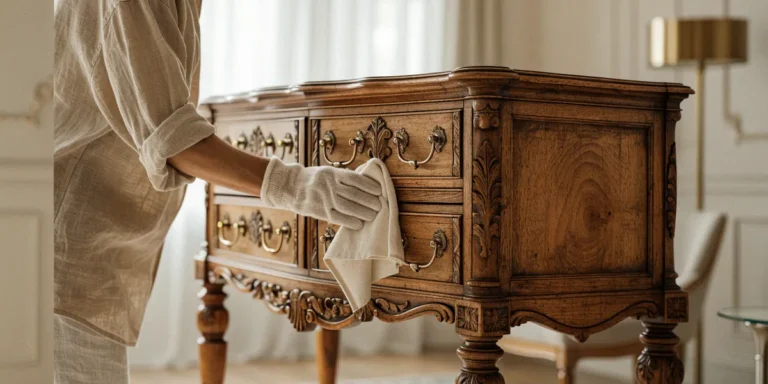
Checking Wood, Joints, and Hardware
- Wood: Solid wood shows consistent grain through the piece; veneer can be fine, but lift an edge gently to see what’s underneath.
- Joints: Hand-cut dovetails, irregular and slightly uneven, suggest older construction. Machine-cut dovetails are uniform and precise — not necessarily bad, but usually newer.
- Hardware: Original hinges, pulls, and locks are a value signal. Mismatched or shiny modern screws on an “old” piece are a warning.
- Maker’s marks: Check drawer bottoms, the back of the piece, and underneath. Stamps, brands, and paper labels all tell you something.
For credibility on what you’re buying, the Canadian Antique Dealers Association is a useful reference — its member dealers follow a code of ethics, and its resources help you understand period styles and value ranges.
Red Flags for Reproductions
Watch for uniform distressing (real wear is uneven), fresh sawdust smell inside drawers, plywood where solid wood should be, and finishes that look sprayed rather than hand-rubbed. If a seller can’t tell you where a piece came from, factor that into your offer. None of these signs automatically means “walk away” — but they should lower the price you’re willing to pay.
Timing Your Trip: Markets, Auctions, and Seasons
When you go matters as much as where. Spring through fall is prime time: outdoor markets, farm auctions, and garage sales run almost every weekend. Winter pushes the action indoors, which is actually ideal for browsing shops without crowds.
Weekend Auctions and Estate Sales
Auction houses like Shackelton Auctions are a staple of the local scene, handling everything from full farm dispersals to single-estate contents. Register ahead if you can, preview the lots in person, and set your maximum before bidding starts. Estate sales listed in local papers and community boards are the other half of the weekend calendar — go Friday if the sale runs multiple days.
Seasonal Shopping Tips
- Spring: First big wave of estate and farm sales; selection is widest.
- Summer: Outdoor markets peak — the Stratford Farmers’ Market is a good anchor for a Saturday morning before shops open.
- Fall: Auction season ramps up as households clear out before winter.
- Winter: Focus on indoor shops and malls; dealers are often more open to negotiation during slow weeks.
Budgeting and Negotiating Like a Local
Set a number before you leave the house and treat it as a ceiling, not a suggestion. It also helps to decide in advance what you’re hunting for — “anything interesting” is how budgets disappear.
Cash vs. Card at Rural Sales
Many Perth County dealers now accept e-transfer, and most downtown Stratford shops take cards. But cash still rules at auctions and rural estate sales, where you may also need it for a deposit or to settle immediately after the hammer falls. Carry more than you plan to spend, keep it in small bills, and bring a tote and blankets in the car for transport.
When and How to Haggle
Fixed-price shops — especially in downtown Stratford — generally expect you to pay the sticker. Markets, auctions, and rural sellers are more flexible. Ask politely whether there’s any room on the price, bundle two or three items into one offer, and never open with an insulting number. A fair offer delivered with respect gets a better result than a hard line.
FAQ
What is the best town in Perth County to start antique hunting?
Start in Stratford, Ontario — downtown has the densest cluster of shops within walking distance. Once you’re comfortable, add St. Marys and Listowel for wider selection and different price points.
Do I need cash for auctions and estate sales?
Yes, bring cash. Many dealers accept e-transfer and downtown shops take cards, but auctions and rural estate sales often settle in cash on the day.
How do I know if a piece is a reproduction?
Check the joints, hardware, and maker’s marks. Uniform distressing, modern screws, plywood, and sprayed finishes are common red flags. The Canadian Antique Dealers Association is a good resource for learning period details.
When is the best season to go antique shopping in Perth County?
Spring through fall for outdoor markets, auctions, and estate sales. Winter is better for indoor browsing at shops and malls, and dealers may be more flexible on price.
Are Mennonite-made pieces worth collecting?
Absolutely. Hand-built furniture, quilts, and tinware from Mennonite and Amish communities are valued for their craftsmanship and clean, functional design. Ask the dealer for provenance details.
The perfect find is nice, but the hunt is what makes Perth County worth the drive. Start small: pick one Stratford shop and one county town, give yourself a full afternoon, and let the browsing teach you what you like. Once you’ve made your first purchase — and your first polite negotiation — you’ll have the confidence to plan a longer loop through St. Marys, Listowel, and the auction calendar beyond.