A Short History of Stratford’s Heritage Storefronts
Walk down Ontario Street on a quiet Tuesday morning and look up. Above the awnings and sale signs, you’ll spot carved limestone lintels, cast-iron pilasters, and brickwork laid by masons more than a century ago. These details aren’t decoration for a museum — they’re the working bones of Stratford Ontario’s retail core, and our team walks past them every week while hunting for gifts and antiques. Understanding where these buildings came from changes the way you shop in them.
The Victorian Roots of Stratford’s Retail Core
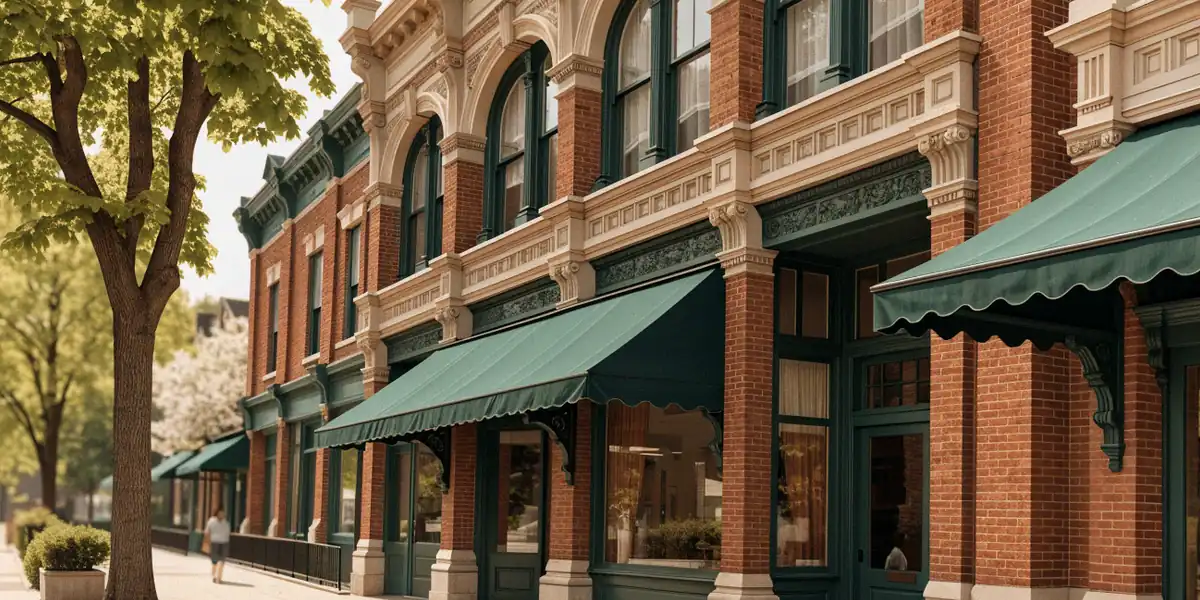
Stratford Ontario grew quickly in the 1800s as a railway and market town, and its commercial heart formed along Ontario Street and Downie Street. Dry goods merchants, grocers, and hardware dealers clustered within a few blocks of the market square, serving farm families from across Perth County who came in by train and wagon. The storefronts they built were meant to signal permanence and prosperity, which is why so many of them still stand.
Railways, Markets, and Early Merchants
When the Grand Trunk Railway arrived in the 1850s, Stratford became a distribution point for goods moving across southwestern Ontario. Merchants built three- and four-storey blocks with shops at street level and warehouses or offices above. If you look at the upper storeys on Ontario Street today, you’re seeing the spaces where clerks once rolled barrels of flour, stacked bolts of cloth, and kept ledgers for customers from Listowel, Mitchell, and St. Marys.
The 1885 Fire and the Brick Rebuild
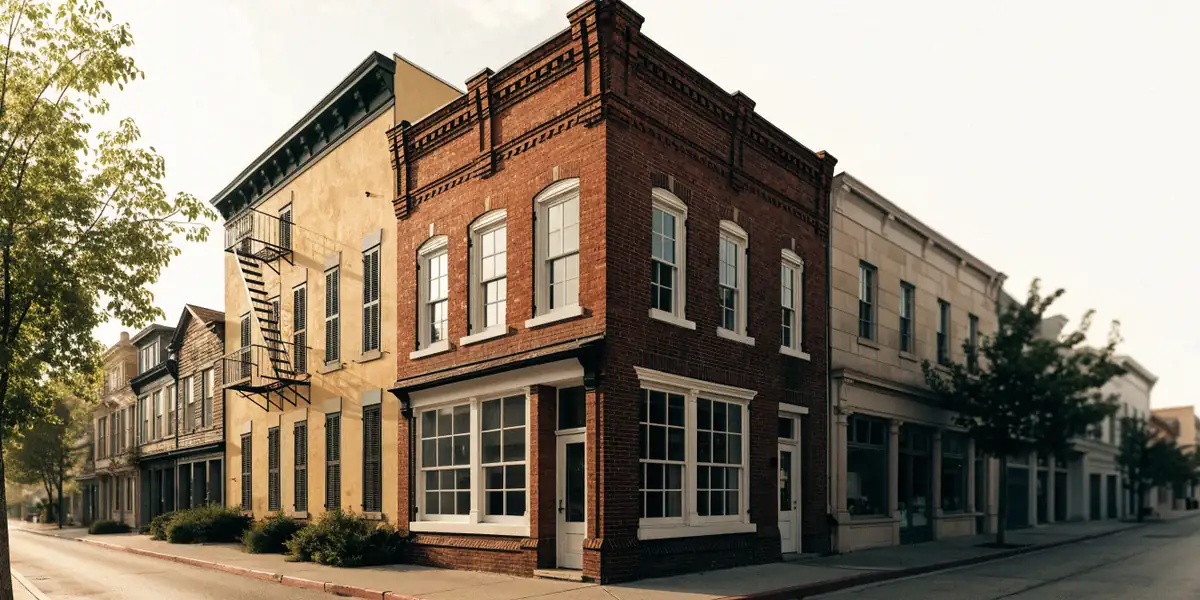
A major fire in 1885 destroyed a large stretch of the downtown, and the rebuild that followed gave Stratford much of the streetscape we recognize now. Out went flimsy wood construction; in came brick and limestone facades with firewalls between buildings. That single disaster is the reason Ontario Street has such a consistent Victorian commercial character — the town essentially rebuilt its retail core in one generation.
Architectural Gems: From Cast Iron to Art Deco
Not every heritage storefront in Stratford Ontario is Victorian. The downtown spans roughly sixty years of commercial architecture, which makes a slow walk down Ontario Street feel like flipping through a pattern book.
The McKay Block and Other 1890s Facades
The McKay Block on Ontario Street, built in the 1890s, shows off the ornate upper storey that merchants of the era loved — decorative brickwork, arched windows, and a cornice that was meant to be seen from across the street. Similar 1890s facades line the block, many with cast-iron columns at street level that were shipped in from foundries and assembled on site.
Art Deco and Mid-Century Modern Storefronts
Head to Downie Street and the mood changes. The former Kresge store from the 1930s is a clean Art Deco statement — streamlined lines, geometric detailing, and a confidence that came from the five-and-dime era. Later mid-century storefronts nearby use plate glass and enameled metal, showing how retail design shifted toward brightness and display. The Stratford Perth Archives holds photographs and building records that document these transitions, and they’re a great resource if you want to date a particular facade.
How Heritage Spaces Shaped Local Shopping
These buildings weren’t preserved as empty shells. They’ve housed one business after another, and that continuity is what keeps the downtown alive. The former Lorne Avenue Public School now contains shops, and the old Stratford Normal School site has been adapted for new uses — proof that Stratford is comfortable repurposing its institutions rather than tearing them down.
From Dry Goods to Gift Shops
Where a Victorian grocer once weighed out sugar, you’ll now find gift shops stocking candles, ceramics, and locally made preserves. Watson’s Home Hardware is a good example of a business that has operated in the heritage fabric of the downtown for generations, bridging the old hardware trade and modern retail. When we’re sourcing gifts for readers of this guide, these are the kinds of shops we check first.
Antiques Dealers in Historic Buildings
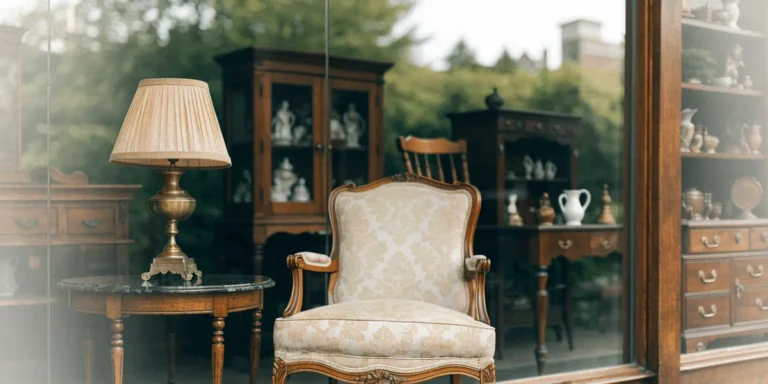
It’s fitting that antiques dealers work out of antique buildings. The Stratford Antique Warehouse and similar dealers around Perth County use former commercial and industrial spaces to display furniture, glassware, and estate finds. Shopping there means the building and the merchandise tell the same story.
Preservation and Adaptive Reuse Today
Keeping heritage storefronts viable takes more than sentiment. The Stratford Heritage Committee reviews changes to designated properties, and the Ontario Heritage Trust has supported conservation work across the province. The goal isn’t to freeze the downtown — it’s to protect the facades and structural character while letting businesses modernize inside.
Heritage Designations and Tax Incentives
Designation can sound restrictive, but it often unlocks support. Owners of designated commercial buildings may qualify for heritage tax incentives and grant programs that offset the cost of restoring masonry, windows, and cornices. The former post office on Ontario Street is a strong local example: the building’s heritage features were retained while the interior was converted to house local makers and a cafe.
Local Makers in Restored Storefronts
That conversion matters because it puts working artisans inside a heritage space rather than behind a rope. When you buy a piece of pottery or a small-batch food product in a restored storefront, part of your money goes toward keeping that building maintained. Here’s how we’d suggest approaching a heritage shopping day:
- Start with the buildings — read the date stones and look at the upper storeys before you go inside.
- Ask shopkeepers about the history of their space; many know it in detail.
- Check the Stratford Perth Archives online if you want to research a specific address afterward.
- Buy something small from at least one local maker to support adaptive reuse directly.
A Walking Tour of Stratford’s Heritage Storefronts
If you have two hours, you can cover the best of the downtown on foot. This route works in any season and pairs well with a stop for coffee.
Ontario Street: The Main Artery
Begin at Stratford City Hall, completed in 1900, and walk south down Ontario Street. The 1900s storefronts on both sides give you a compact lesson in commercial architecture, and the walk ends near the Avon Theatre, where the festival crowds keep the street busy. Note the varied rooflines — that rhythm is a hallmark of a Victorian retail street.
Downie Street and Beyond
Loop over to Downie Street for the Art Deco block and the mid-century storefronts, then wander toward the market area. If you have a car and an afternoon, Perth County’s surrounding towns reward the drive — St. Marys in particular has a comparable stock of heritage commercial buildings and independent shops.
FAQ
Where are the best heritage storefronts in Stratford Ontario?
Ontario Street and Downie Street form the core. Ontario Street has the densest concentration of 1890s and 1900s facades, including the McKay Block, while Downie Street holds the Art Deco former Kresge store.
Can I research a specific building’s history?
Yes. The Stratford Perth Archives holds photographs, fire insurance maps, and building records. Staff can help you trace ownership and renovations for most downtown addresses.
What does the Stratford Heritage Committee do?
The committee advises on changes to designated properties and helps ensure that alterations respect the character of the original building while allowing modern retail uses inside.
Are there antiques dealers in historic buildings?
Several. The Stratford Antique Warehouse and other dealers around Perth County operate in former commercial and industrial spaces, which suits the scale of furniture and large pieces.
Is shopping local actually helping preservation?
It is. Revenue from occupied heritage storefronts funds maintenance and restoration. Every purchase from a local maker or independent shop in a historic building helps keep that building in active use.
These heritage storefronts aren’t just a backdrop for a nice afternoon — they’re living spaces where our team still finds one-of-a-kind gifts and antiques, and where the history of Stratford Ontario is still being written one sale at a time. Shop local, look up at the facades, and you’ll be doing your part to keep Perth County’s retail history alive.